
 Special Formats

 Shampoos
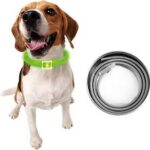 Necklaces
 External
 Internal
 Internal and External


CARDALIS
Benazepril and spironolactone for the treatment of congestive heart failure tablets
Laboratory
CEVA ANIMAL HEALTH
Pharmaceutical form:
Oral tablet (Comp.o.)
Composition: per tablet:
Benazepril Spironolactone Hydrochloride
Cardalis 2,5mg/20mg 2,5mg 20mg
Cardalis 5mg/40mg 5mg 40mg
Cardalis 10mg/80mg 10mg 80mg
Pharmacological properties:
The drug produces a long-term inhibition of plasmatic ACE activity in dogs, with greater than 95% inhibition at maximum effect and significant activity (>80%) that persists 24 hours after administration.
The association of spironolactone and benazepril is beneficial since both act at the level of the renin angiotensin aldosterone system (RAAS) but at different levels of the cascade. Clinical studies in which survival time has been evaluated have shown that the fixed combination increases life expectancy in dogs with congestive heart failure with an 89% reduction in the relative risk of cardiac mortality in dogs treated with Spironolactone in combination with benazepril (as HCl) compared to treated dogs only with benazepril (as HCl) (Mortality was classified as death or euthanasia due to heart failure).
Interactions and incompatibilities:
• No adverse interactions have been observed with furosemide.
• With other antihypertensive agents (eg calcium channel blockers, bo diuretics), anesthetics or sedatives may have additional hypotensive effects.
• With other potassium-sparing treatments (such as beta blockers, potassium channel blockers, calcium, angiotensin receptor blockers, etc.) hyperkalaemia may occur.
• With NSAIDs, its antihypertensive effect, its natriuretic effect can be reduced, and the level of of potassium in blood. Therefore, dogs treated concomitantly with an NSAID should be monitored closely and must be properly hydrated.
• With deoxycorticosterone a moderate reduction in natriuretic effects may be observed. (reduced urinary sodium excretion) of spironolactone.
• Spironolactone decreases digoxin clearance. Since the therapeutic index for digoxin is narrow, careful monitoring is recommended for dogs receiving digoxin and a combination of spironolactone and benazepril (HCl).
• Spironolactone could cause both induction and inhibition of the enzymes of the cytochrome P450 and could affect the metabolism of other substances using these pathways metabolic.
Indications and target species:
Dogs: Treatment of congestive heart failure caused by valvular disease canine chronic degenerative disease (with the complementary use of a diuretic, when necessary).
Contraindications:
• Do not use during pregnancy or lactation or in animals intended or planned allocate to reproduction.
• Do not use in dogs suffering from hypoadrenocorticism, hyperkalemia or hyponatremia.
• Do not use in conjunction with NSAIDs in dogs with renal insufficiency.
• Do not use in case of known hypersensitivity to ACE-converting enzyme inhibitors. angiotensin (ACE) or to some excipient.
• Do not use in cases of insufficient cardiac output due to aortic or pulmonary stenosis.
Side effects:
Reversible atrophy is frequently observed in non-castrated males treated with spironolactone. Of prostate.
Route of administration:
Orally.
Special precautions:
• Renal function and serum potassium levels should be evaluated before starting the treatment, especially in dogs that may have hypoadrenocorticism, hyperkalemia, or hyponatremia. In dogs with renal dysfunction, monitoring is recommended. regular renal function and serum potassium levels since, during treatment with this medication there may be an increased risk of hyperkalemia.
• It is not recommended to administer the drug to dogs in the growth phase.
• Administer with care in dogs with hepatic dysfunction because it may alter the biotransformation of spironolactone.
Conservation mode:
It does not require any special storage conditions.
Remarks:
With veterinary prescription.
Presentation:
Bottle with 30 tablets.
Reg No.:
CARDALIS 2,5mg/20mg: EU/2/12/142/001
CARDALIS 5mg/40mg: EU/2/12/142/003
CARDALIS 10mg/80mg: EU/2/12/142/005


38 valuations Cardalis 10/80 l 30 tablets | heart failure in dogs
Clear filtersNot yet reviewed