
 Special Formats

 Shampoos
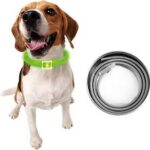 Necklaces
 External
 Internal
 Internal and External


CYTOPOINT 40MG
Treatment of clinical manifestations of atopic dermatitis in dogs.
Injectable solution.
The appearance of the drug should be between transparent and opalescent without the presence of visible particles.
4. CLINICAL DATA
4.1 Target species
Dogs.
4.2 Indications for use, specifying the target species
CYTOPOINT Treatment of the clinical manifestations of atopic dermatitis in dogs.
4.3 Contraindications
Do not use in case of hypersensitivity to the active substance or to any of the excipients.
Do not use in dogs less than 3 kg of live weight.
4.4 Special warnings for each target species
Lokivetmab can induce the production of transient or persistent antibodies against the drug. The induction of these antibodies is infrequent and may have no effect (transient antibodies) or may result in a marked decrease in efficacy (persistent antibodies) in animals that have previously responded to treatment.
4.5 Special precautions for use
Special precautions for use in animals
In cases of atopic dermatitis, it is recommended to investigate and treat complicating factors, such as bacterial, fungal or parasitic infections/infestations (eg flea, scabies).
Monitoring dogs for bacterial infections associated with atopic dermatitis is recommended, especially during the first few weeks of treatment.
If there is no or limited response one month after administering the first dose, administer a second dose. If there is no improvement in the animal's response one month after this second dose, the veterinarian should consider alternative treatments.
Special precautions to be taken by the person administering the veterinary medicinal product to animals
In case of accidental self-injection, hypersensitivity reactions, including anaphylaxis, could potentially occur.
Accidental self-injection may produce an immune response to lokivetmab. This is not expected to cause any adverse effects, however repeated self-injection may increase the risk of hypersensitivity reactions.
In case of accidental self-injection, consult a doctor immediately and show him the package leaflet or the label.
4.6 Adverse reactions (frequency and seriousness)
- Rarely, hypersensitivity reactions (anaphylaxis, facial oedema, urticaria) may occur. In these cases, appropriate treatment should be administered immediately.
- The frequency of adverse reactions should be classified according to the following groups:
- Very common (more than 1 animal in 10 presents adverse reactions during a treatment)
- Frequently (more than 1 but less than 10 animals per 100)
- Infrequently (more than 1 but less than 10 animals per 1.000)
- Rarely (more than 1 but less than 10 animals per 10.000)
- Very rarely (less than 1 animal in 10.000, including isolated cases).
4.7 Use during pregnancy, lactation or lay
The safety of the veterinary medicinal product has not been established during pregnancy and lactation; therefore, its use is not recommended during pregnancy, lactation or in breeding animals.
4.8 Interaction with other medicinal products and other forms of interaction
No drug-drug interactions have been observed in field trials where lokivetmab was co-administered with veterinary drugs such as endo- and ectoparasiticides, antimicrobials, anti-inflammatories, and vaccines.
If other vaccine(s) are administered at the same time as lokivetmab treatment, they should be administered in a different area.
4.9 Amounts to be administered and administration route
subcutaneous route.
Avoid excessive agitation or foaming of the solution. Administer the entire content of the vial (1 ml).
Dose according to the following dosage table. For dogs weighing more than 40 kg, the contents of more than one vial are required to administer a single dose. In those cases, withdraw the appropriate content of each vial into the same syringe. To achieve mixing of the solution, gently invert the syringe 3 to 4 times before administration.
4.10 Overdose (symptoms, emergency procedures, antidotes), if necessary
In laboratory overdose studies, no adverse reactions other than those mentioned in section 4.6 have been observed.
In the event of adverse clinical signs following an overdose, the dog should be treated symptomatically.
4.11 Waiting time(s)
Not applicable.
6. PHARMACEUTICAL DATA
6.1 List of excipients
- Histidine
- Histidine hydrochloride monohydrate
- trehalose dihydrate
- disodium edetate
- Methionine
- Polysorbate 80
- Water for injections.
6.2 Incompatibilities
Do not mix with any other veterinary medicinal product.
6.3 Validity period
- Shelf life of the veterinary medicinal product packaged for sale: 2 years.
- Shelf-life after first opening the immediate packaging: Immediate use.
6.4. Special storage precautions
- Store in a refrigerator (between 2ºC and 8ºC).
- Do not freeze.
- Keep the original package.
- Protect from light.
6.5 Nature and composition of immediate packaging
- Primary packaging: Type I single-dose clear glass vial closed with a fluorobutyl rubber stopper.
- Secondary packaging: Cardboard box.
Detailed information on this veterinary medicinal product is available on the website of the European Medicines Agency (https://www.ema.europa.eu/).
PROHIBITION OF SALE, DISPENSATION AND/OR USE
Not applicable.


47 valuations Cytopoint 40mg/ml 2 vials x 1ml | treatment of atopic dermatitis in dogs.
Clear filtersNot yet reviewed