
 Special Formats

 Shampoos
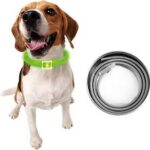 Necklaces
 External
 Internal
 Internal and External


VERAFLOX
Pharmaceutical form:
Oral tablet (Comp.o.)
Composition: per tablet:
Veraflox 15 mg tablets for dogs and cats: Pradofloxacin, 15 mg.
Veraflox 60 mg tablets for dogs: Pradofloxacin, 60 mg.
Veraflox 120 mg tablets for dogs: Pradofloxacin, 120 mg.
Pharmacological properties:
Pradofloxacin is an antibacterial of the fluoroquinolone class. It reversibly binds to the bacterial enzymes DNA gyrase or DNA topoisomerase IV causing selective inhibition of these enzymes and rapid bacterial cell death. The speed and magnitude of the bactericidal effect are directly proportional to the concentration of the drug. Although pradofloxacin
exhibits in vitro activity against a wide variety of Gram ( ) and Gram ( ) organisms, including anaerobic bacteria, the medicinal product should be used only for the licensed indications and in accordance with prudent use recommendations.
• In dogs, following oral administration, pradofloxacin is rapidly (Tmax 2 hours) and almost completely (nearly 100%) absorbed and exhibits high tissue penetration. Elimination is by glucuronidation and by renal excretion. Approximately 40% of the administered drug is excreted unchanged via the kidneys.
• In cats, following oral administration, pradofloxacin is rapidly absorbed reaching Cmax values of 1,2 mg/L in 0,5 hours. The main route of elimination in cats is glucuronidation.
Interactions and incompatibilities:
• Do not administer together with antacids, sucralfate, multivitamin complexes or milk derivatives, since the absorption of Veraflox may be decreased.
• Fluoroquinolones should not be used in conjunction with non-steroidal anti-inflammatory drugs in animals with a history of epilepsy due to possible CNS pharmacodynamic interactions.
• The use of fluoroquinolones with theophylline should be avoided, as they could increase theophylline plasma levels.
• The use of fluoroquinolones with digoxin should also be avoided, as it could increase the oral bioavailability of digoxin.
VERAFLOX
Indications and target species:
Dogs: Treatment of wound infections caused by the Staphylococcus intermedius group (S. pseudintermedius incl.); Superficial and deep pyoderma by the Staphylococcus intermedius group (S.pseudintermedius incl.); acute urinary tract infections by Escherichia coli and by the Staphylococcus intermedius group (Staphylococcus pseudintermedius incl.); and severe infections of the gingival tissue and periodontal tissues, as adjunctive treatment to mechanical or surgical periodontal therapy, caused by anaerobes such as Porphyromonas spp. and Prevotella spp.
Cats: Treatment of acute infections of the upper respiratory tract caused by Pasteurella multocida, Escherichia coli and by the Staphylococcus intermedius group (S. pseudintermedius incl.).
Contraindications:
• Do not use in animals with known hypersensitivity to fluoroquinolones.
• Do not use in animals with central nervous system (CNS) disorders, such as epilepsy, as fluoroquinolones may cause seizures in predisposed animals.
• Do not use during pregnancy or lactation.
• In dogs, do not use during the growth period, as the developing articular cartilage may be affected. For most breeds, the use of pradofloxacin is contraindicated in dogs less than 12 months of age and in giant breeds less than 18 months of age. Do not use in dogs with persistent articular cartilage lesions, as lesions may worsen during treatment.
treatment with fluoroquinolones.
• In cats, should not be used in kittens less than 6 weeks of age. Pradofloxacin has no effect on developing cartilage in kittens from 6 weeks of age. However, the drug should not be used in cats with persistent articular cartilage lesions, as these may worsen during treatment with fluoroquinolones.
VERAFLOX
Side effects:
Mild and transient gastrointestinal disturbances, including vomiting, have been observed rarely in dogs and cats.
Route of administration:
Orally.
Posology:
The recommended dose is 3,0 mg pradofloxacin/kg body weight once daily.
• To ensure correct dosing, the weight of the animals should be determined as accurately as possible to avoid underdosing.
• The duration of treatment depends on the nature and severity of the infection and the response to it.
Conservation mode:
This medicine does not require any special storage conditions.
Remarks:
With veterinary prescription.


50 valuations Veraflox 25 mg oral 15 ml | acute upper respiratory tract infections in cats.
Clear filtersNot yet reviewed